


Buying a flour mill for a growing business is one of those decisions where the cheaper option can end up costing more. A machine that cannot keep up with daily work may mean extra electricity, more servicing, lost production time, and eventually another machine altogether. These expenses are easy to overlook when you are simply trying to keep up with orders. So, before looking at the best commercial atta chakki to buy online, it helps to understand where the wrong choice can start eating into your business.
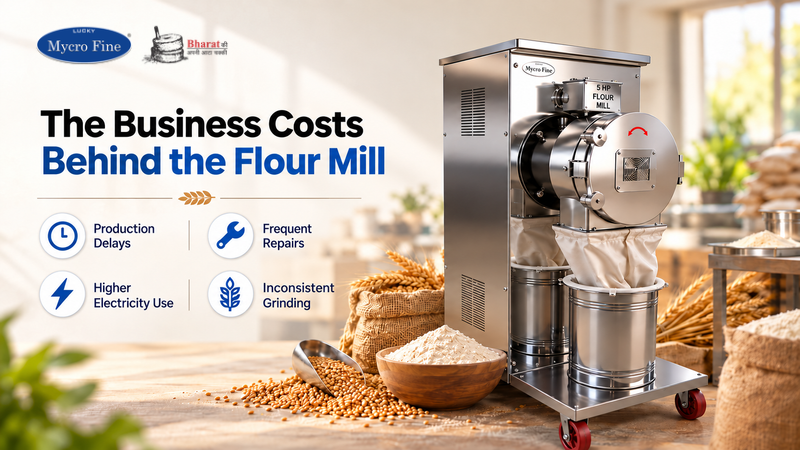
Production Delays from a Slow Flour Mill
A mill that takes too long to finish each batch can slow down the whole workflow significantly. On one batch, a few extra minutes do not feel that long, but over a whole working day it adds up. Packing processes get delayed, orders take longer to leave, and employees spend more time waiting for the next batch to get completed.
Frequent Repairs and Machine Downtime
Commercial equipment is going to need maintenance eventually. The problem starts when repairs become a regular part of the routine. A machine that struggles with your daily workload may need more attention, replacement parts, or servicing than expected. Apart from the repair bill, there is also the cost of having the machine out of operation.
Higher Electricity Consumption
The purchase price is only one part of the cost. A machine that consumes more electricity than necessary can quietly increase your monthly expenses. This becomes more noticeable as operation hours and production volume increase.
Inconsistent Grinding Can Affect Your Product
The mill also has a direct connection with the flour you sell. If grinding becomes inconsistent, the texture of the flour may vary from one batch to another. For a growing business, maintaining the same output matters because customers tend to notice changes in a product they regularly buy.
Conclusion
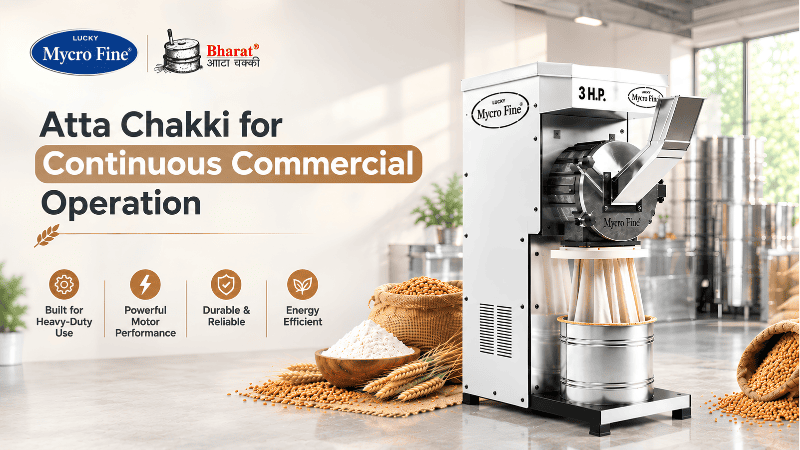
Think about your present workload as well as where your business is heading. Check the expected output, motor capacity, construction, power consumption, maintenance requirements, warranty, and service support. If you plan to buy a flour mill machine for commercial use, choose one according to the work you realistically expect it to handle rather than focusing only on the initial price, because the right machine is not one with the biggest capacity or the lowest price. It should fit your daily workload without creating unnecessary expenses later. You can also explore these commercial atta chakki features when comparing machines for your business.
FAQs
1. Can the wrong flour mill increase business expenses?
Yes, the wrong flour mill needs higher electricity use, frequent repairs, production delays, and early replacement, which can all increase business expenses.
2. Why does flour grinding capacity matter for a growing business?
A suitable capacity helps the mill keep up with your regular orders without creating unnecessary waiting time during production.
3. Should I choose a flour mill based only on its purchase price?
Not really. The initial price is only one part of the expense. Power use, maintenance, repairs, and machine life also affect what you spend.
4. How can I avoid outgrowing my commercial flour mill?
Look at your expected business growth before buying and choose a machine that leaves some room for higher production rather than matching only today’s workload.
5. What should I check before buying a commercial flour mill?
You need to look at its capacity, motor, construction, electricity consumption, maintenance needs, warranty, spare parts, and after-sales service before making a decision.